Pink Floyd's astronomical domains: A story that confirms the connection
That there are real connections between Pink Floyd's music and astronomy is hard to deny. Since its inception, Pink Floyd's music has always had a tremendous influence due to the adventure of the human race in its process of knowledge and understanding of the Universe, expressed through astronomy. In each album there are dozens of references, some very obvious and others that go almost unnoticed. What I will relate to you next belongs to the first type of references that, without a doubt, strongly shook my relationship with the music of Pink Floyd.
In 1994 I was hired as staff observer on the SCMT 1.2m radio telescope, under an agreement between the Max Planck Institute (Germany) and the astronomy department of the University of Chile. After months of working in a multinational team, we aimed at making observations to map large scale structures in the Milky Way plane. And I was very privileged to be a part of that team !!!
The project, of very long duration, produced as a final result scientific publications and, most importantly, helped astronomers to complete a map of the molecular clouds in the Milky Way. From these lines I cannot thank enough to the people that gave me the opportunity to be involved in such an amazing job and, to some extent, to open the window to make my dreams come true.
Los dominios astronómicos de Pink Floyd: Una historia que confirma la conexión
Que existen conexiones reales entre la música de Pink Floyd y la astronomía es difícil de negar. Desde sus inicios, la música de Pink Floyd siempre ha estado tremendamente influenciada por la aventura de la raza humana en su proceso de conocimiento y comprensión del Universo, expresado a través de la astronomía. En cada álbum hay decenas de referencias, algunas muy obvias y otras que pasan casi desapercibidas. Lo que les relataré a continuación pertenece al primer tipo de referencias; una que, sin duda, sacudió fuertemente mi relación con la música de Pink Floyd.
En 1994 fui contratado como observador de staff en el radiotelescopio SCMT de 1.2m, bajo un acuerdo entre el Instituto Max Planck (Alemania) y el departamento de astronomía de la Universidad de Chile. Después de meses de trabajo en un equipo multinacional, nuestro objetivo fue realizar observaciones para mapear estructuras a gran escala en el plano de la Vía Láctea. ¡Y fui muy privilegiado de ser parte de ese equipo!
El proyecto, de muy larga duración, produjo como resultado final diversas publicaciones científicas y, lo más importante, ayudó a los astrónomos a completar un mapa de las nubes moleculares en la Vía Láctea. Desde estas líneas no puedo agradecer lo suficiente a las personas que me dieron la oportunidad de involucrarme en un trabajo tan increíble y, en cierta medida, abrir la ventana para hacer mis sueños realidad.


To some extent, that dome became the epicenter of my life. Over the course of those months my life developed around this project. Obviously, the observations were musicalized with Pink Floyd. My friends from the Cerro Tololo said that the dome of the SCMT 1.2m did not work if Pink Floyd did not set the scene for the observations … And they were absolutely in the right!
In the meantime, like all Pink Floyd fans around the world, I was more than desperate as time passed and, since the last officially released album, "A Momentary Lapse of Reason" in 1987, there had been no signs of Pink Floyd's life.
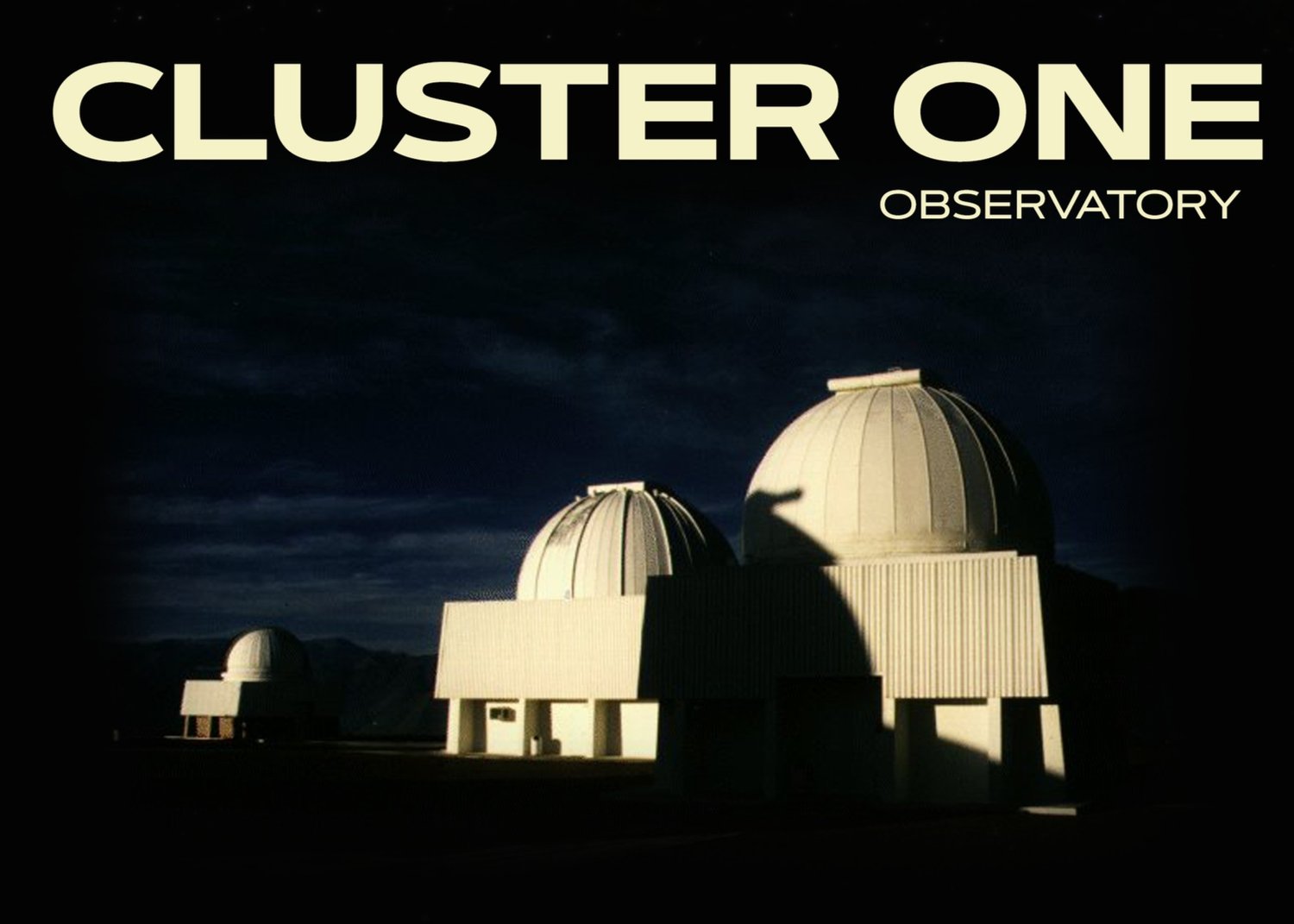
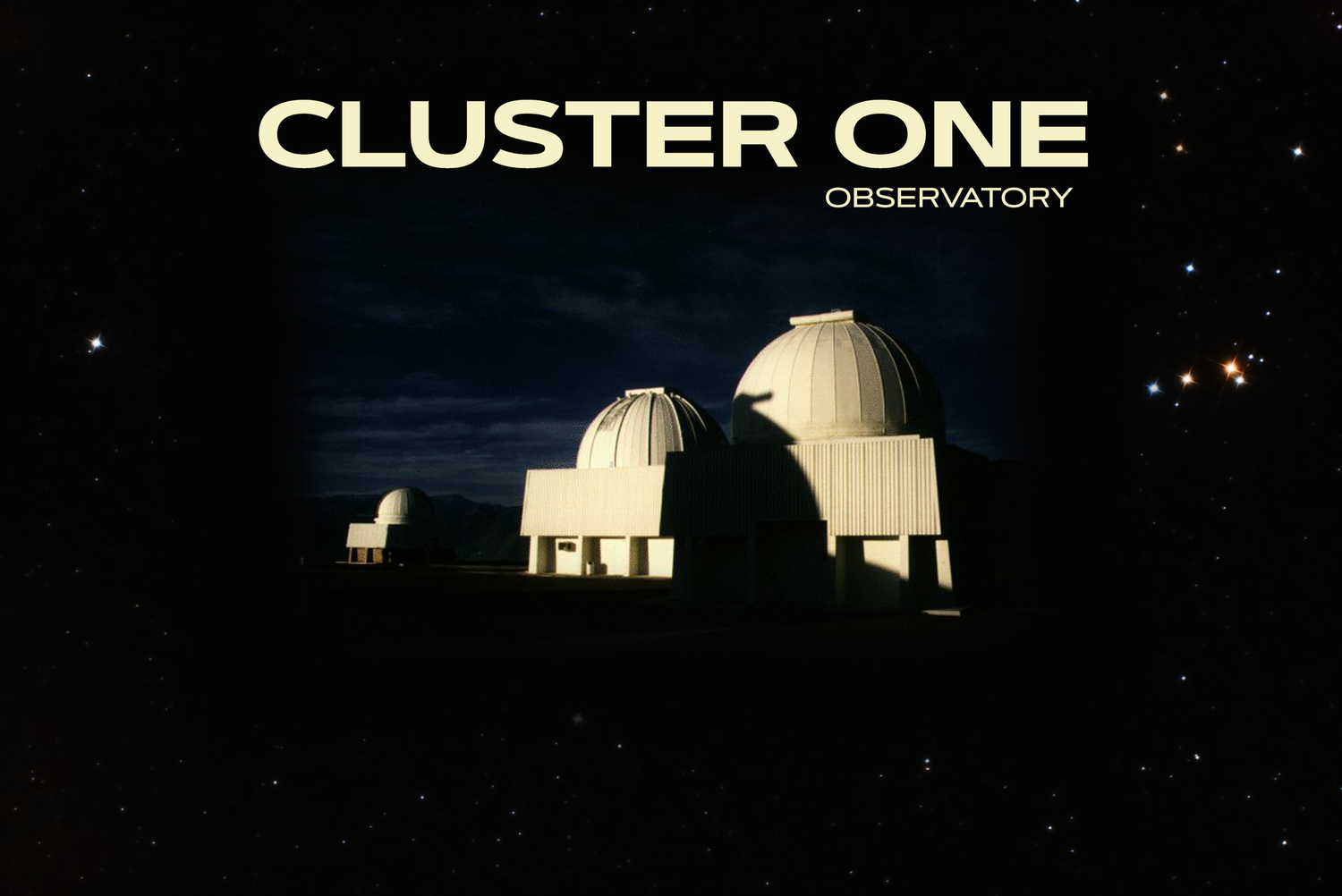
Meanwhile, I took advantage of the nights and, while I was observing with the radio telescope, it gave me time to take pictures of the Cerro Tololo observatory. In one of them, three domes illuminated by the light of the full moon became one of my favorites. Exactly the dome on the left was the dome of the SCMT 1.2m
Hasta cierto punto, esa cúpula se convirtió en el epicentro de mi vida. A lo largo de esos meses, mi vida se desarrolló en torno a este proyecto. Obviamente, las observaciones fueron musicalizadas con Pink Floyd. Mis amigos del Cerro Tololo decían que la cúpula del SCMT de 1.2m no funcionaba si Pink Floyd no ambientaba las observaciones... ¡Y tenían toda la razón!
Mientras tanto, como todos los fans de Pink Floyd alrededor del mundo, estaba más que desesperado con el paso del tiempo y, desde el último álbum lanzado oficialmente, "A Momentary Lapse of Reason" en 1987, no había habido señales de vida de Pink Floyd.
Mientras tanto, aprovechaba las noches y, mientras observaba con el radiotelescopio, me daba tiempo para tomar fotos del observatorio Cerro Tololo. En una de ellas, tres cúpulas iluminadas por la luz de la luna llena se convirtieron en una de mis favoritas. Exactamente la cúpula de la izquierda era la cúpula del SCMT de 1.2m

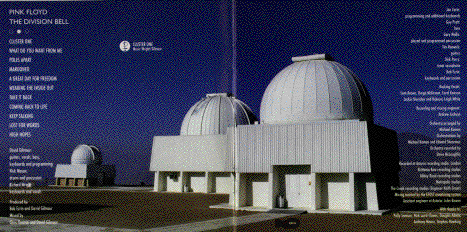
Until the big day came... through the Echoes mailing list, I found out about the long awaited announcement: Pink Floyd announced a new studio album named "The Division Bell", which would include a world tour !!! The wait was over. The first thing I did when I traveled to Santiago was to reserve the CD. After a few days of tense waiting, the long-awaited album arrived at the store and I ran like a demon, with only one goal: to have the CD in my hands. Once I paid for the CD, I ran to my apartment, opened it immediately, and like any fan who has a long-awaited CD, it didn't take long for me to relax and start the amazing journey of listening by first time “The Division Bell”. At that moment I realized what could not be real but it was: The opening track, named "Cluster One" featuring a sort of astronomical reference; Cluster: Cumulus; astronomical term that refers to a group of stars or galaxies.
But that name reference was just the beginning and went far beyond since the artwork of “Cluster One” featured nothing less than the photograph of my own workplace: The Inter-American Observatory of Cerro Tololo. Not everyday you’ll get to see your workplace in a Pink Floyd artwork.
Hasta que llegó el gran día... a través del Echoes mailing list, me enteré del tan esperado anuncio: Pink Floyd anunciaba un nuevo álbum de estudio llamado "The Division Bell"... que incluiría una gira mundial !!! La espera había terminado. Lo primero que hice cuando viajé a Santiago fue reservar el CD. Después de unos días de tensa espera, el tan ansiado álbum llegó a la tienda y corrí como un demonio con un solo objetivo: tener el CD en mis manos. Una vez que pagué el CD, corrí a mi departamento, lo abrí de inmediato, y como cualquier fanático que tiene un CD tan esperado, no tardé mucho en relajarme y comenzar el increíble viaje de escuchar por primera vez "The Division Bell". En ese momento me di cuenta de lo que parecía no ser real pero lo era: La canción de apertura, llamada "Cluster One", incluía una especie de referencia astronómica; Cluster: Cúmulo; término astronómico que se refiere a un grupo de estrellas o galaxias.
Pero esa referencia en el nombre era solo el comienzo y fue mucho más allá, ya que el arte de "Cluster One" mostraba nada menos que la fotografía de mi propio lugar de trabajo: El Observatorio Interamericano de Cerro Tololo. No todos los días puedes ver tu lugar de trabajo en el arte de un disco de Pink Floyd.


What happened to me back in 1994 has left a deep mark on my way of understanding music and, above all, how close it can get to you. I have interpreted all this with the passing of time as a true culmination of a process that, naturally, has marked my life towards the astronomical domains of Pink Floyd.
All the best, clear skies and shine on
Lo que me ocurrió en 1994 ha dejado una profunda huella en mi forma de entender la música y, sobre todo, en lo cerca que puede llegar a ti. He interpretado todo esto con el paso del tiempo como la verdadera culminación de un proceso que, naturalmente, ha marcado mi vida hacia los dominios astronómicos de Pink Floyd.
All the best, clear skies and shine on